

Books

This book is a groundbreaking development in modern mental health because it recognises the importance of the first hand experience and argues that hearing voices is not a sign of madness but a reaction to serious problems in life. Must-read book for all concerned with mental health issues.
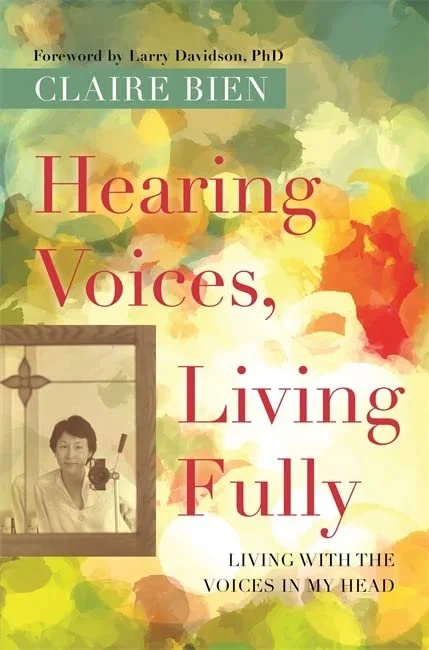
When Claire Bien first began hearing voices, they were infrequent, benign and seemingly just curious about her life and the world around her. But the more attention Claire paid, the more frequently they began to speak, and the darker their intentions became...
Despite escalating paranoia, an initial diagnosis of Schizophreniform Disorder and taking medication with debilitating side effects, Claire learned to face her demons and manage her condition without the need for long-term medication.
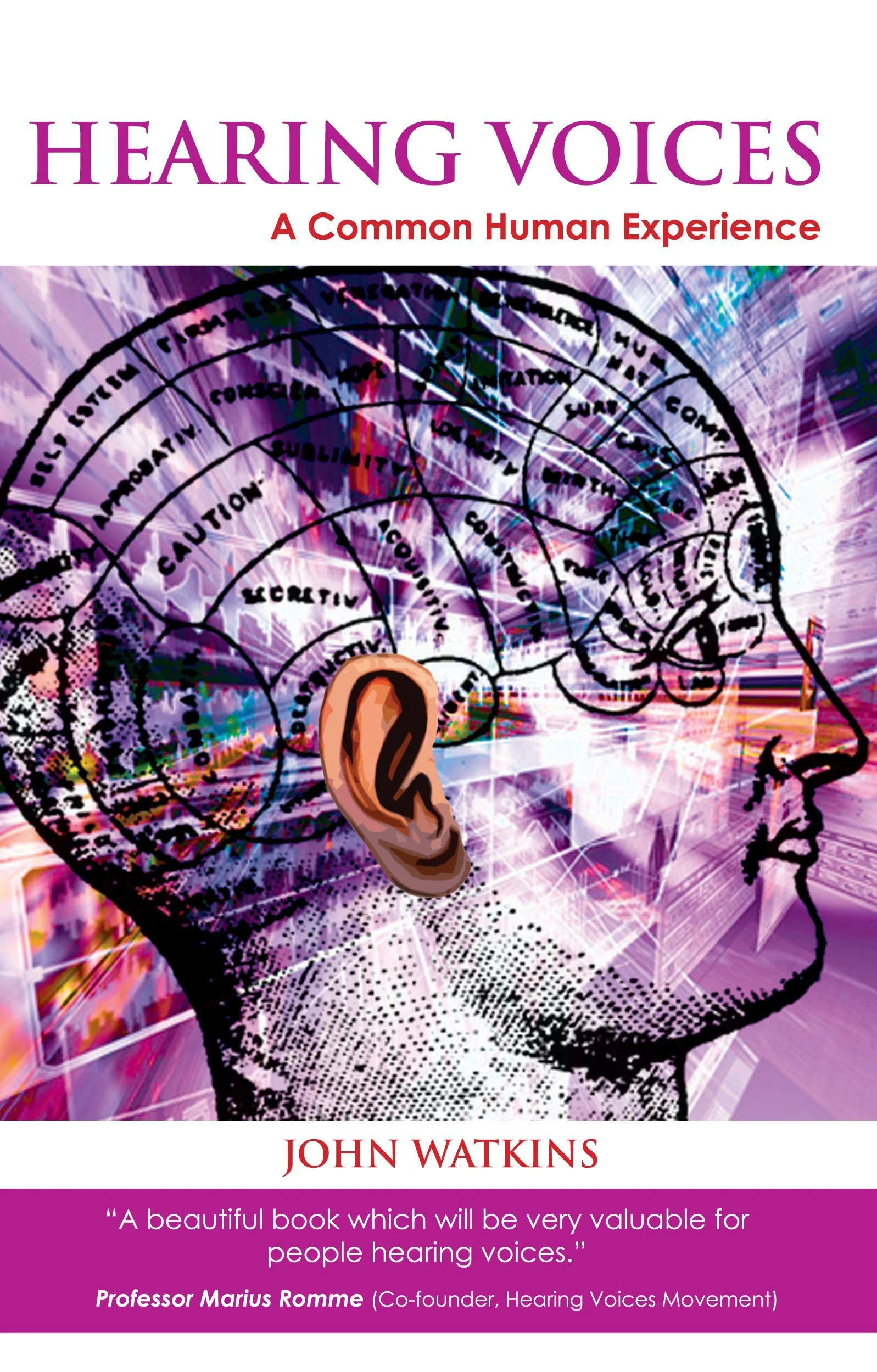
This book contains a wealth of information of great practical value to people who hear voices as well as to those who wish to broaden their understanding of this fascinating phenomenon. It includes a detailed description of a wide variety of voice experiences, an overview of theories which attempt to explain why they occur and a comprehensive set of practical strategies for dealing with unwanted or disturbing voices.
Psychosis as a Personal Crisis seeks to challenge the way people who hear voices are both viewed and treated. This book emphasises the individual variation between people who suffer from psychosis and puts forward the idea that hearing voices is not in itself a sign of mental illness.
Psychosis as a Personal Crisis seeks to challenge the way people who hear voices are both viewed and treated. This book emphasises the individual variation between people who suffer from psychosis and puts forward the idea that hearing voices is not in itself a sign of mental illness.
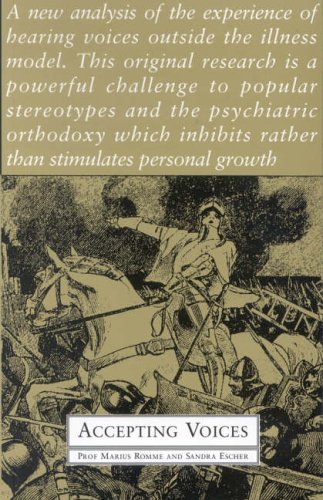
A new analysis of the experience of hearing voices outside the illness model. This original research is a powerful challenge to popular stereotypes and the psychiatrics orthodoxy which inhibits rather than stimulates personal growth.
Psychosis as a Personal Crisis seeks to challenge the way people who hear voices are both viewed and treated. This book emphasises the individual variation between people who suffer from psychosis and puts forward the idea that hearing voices is not in itself a sign of mental illness.
The experience of 'hearing voices', once associated with lofty prophetic communications, has fallen low. Today, the experience is typically portrayed as an unambiguous harbinger of madness caused by a broken brain, an unbalanced mind, biology gone wild. Yet an alternative account, forged predominantly by people who hear voices themselves, argues that hearing voices is an understandable response to traumatic life-events. There is an urgent need to overcome the tensions between these two ways of understanding 'voice hearing'.
Hearing voices, seeing visions and similar out-of-the-ordinary experiences have long intrigued and mystified humankind. The dominant scientific and medical understandings of these phenomena tend to problematise them. This ground-breaking book builds on the work of the Hearing Voices Movement and of the researchers Marius Romme and Sandra Escher in challenging this perception.
The experience of hearing voices can be influenced.
The strategies in this toolkit have won high praise from those with lived experience, and also from their family members, from academics, and from medical providers. Learn how to avoid confusing beliefs, defeat hostile voices, and create a voice ecosystem with rules and positivity.
A feast of revealing narratives expose the amazing story of how people deal with critical points in personal transformation, also known as spiritual emergency. With the increase of interest in yoga, meditation, mental health recovery, and recovery from addiction there is renewed interest in care that is not based on medication as much as empathy and compassionate companionship. This book helps anyone who doesn't have a language to understand intense inner experiences and confuses them with mental illness.
Escher and Romme have over 25 years experience of working with voice-hearers, pioneering the theory and practice of accepting and working with the meaning in voices. The content is largely derived from a three-year study amongst 80 young people who have experiences of hearing voices. A unique book for those who don’t accept the disease model of voice-hearing.
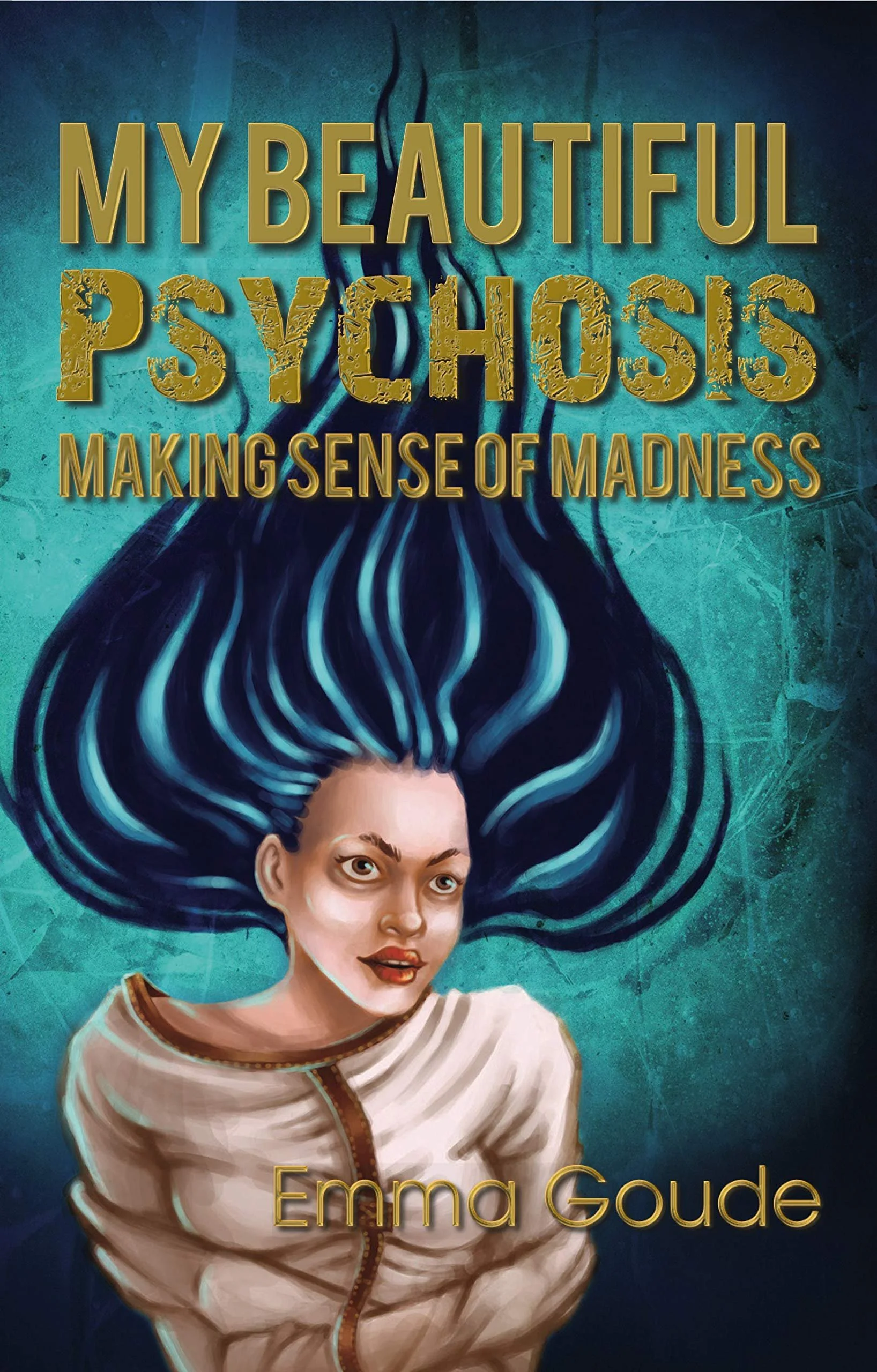
What if psychosis is really a wake up call? Emma Goude is a twenty-something who works at the BBC. She likes to party and take drugs...until she decides to give them up...and that's when the insomnia starts. After five nights without sleep she ends up in A&E. Three questions determine whether she is sane or not. Three questions stand between her and the psychiatric ward. She gets them wrong. Emma is an atheist, a skeptical cynic who chose dope over God, so when she has some spiritual experiences she is not entirely sure if she is delusional.
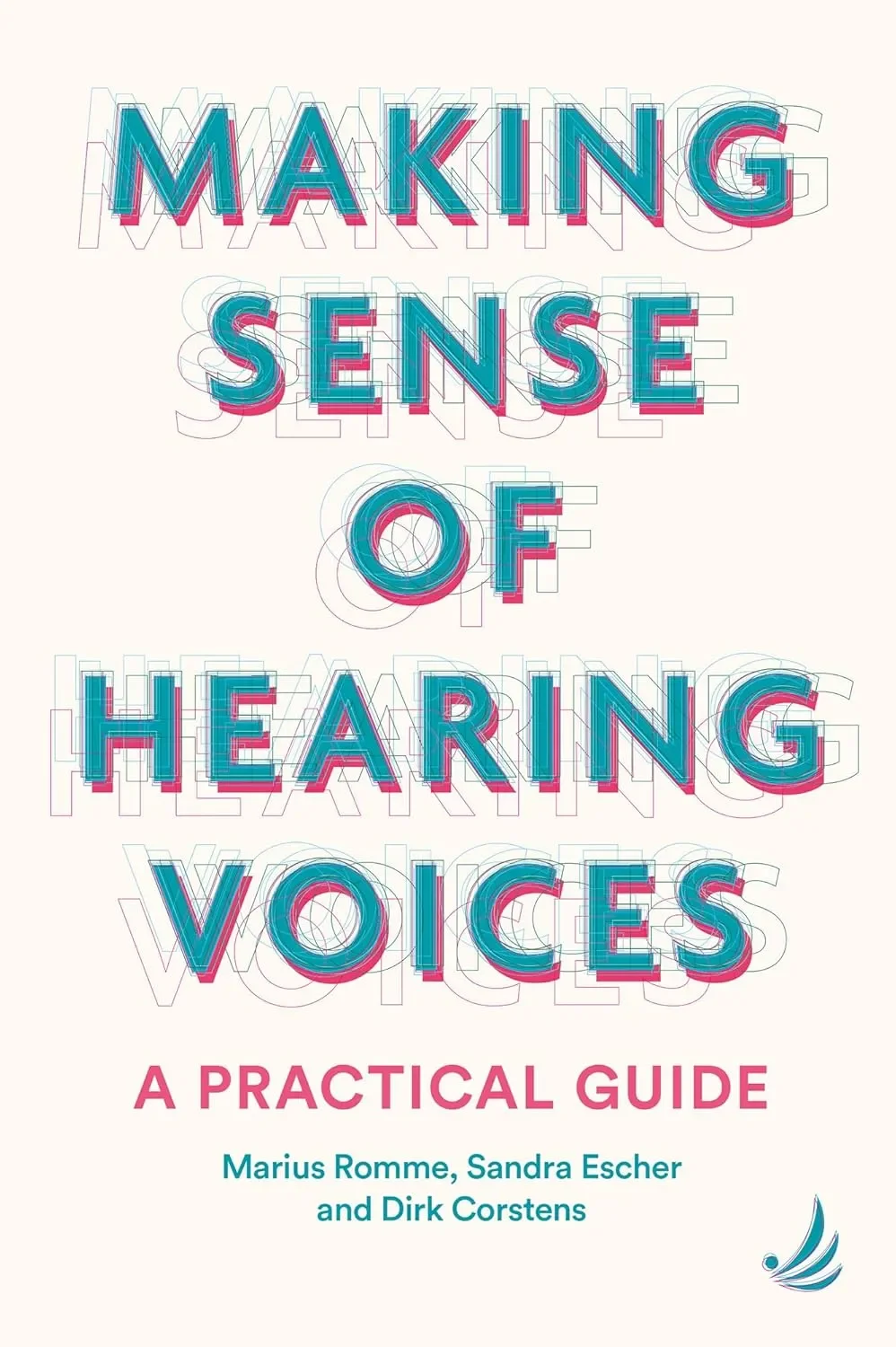
This book presents the pioneering work of Marius Romme, Sandra Escher and Dirk Corstens in helping people who hear voices. Challenging mainstream psychiatry, their approach focuses on understanding the voices' meaning, offering practical advice for managing voices without medication, promoting recovery and emotional autonomy.
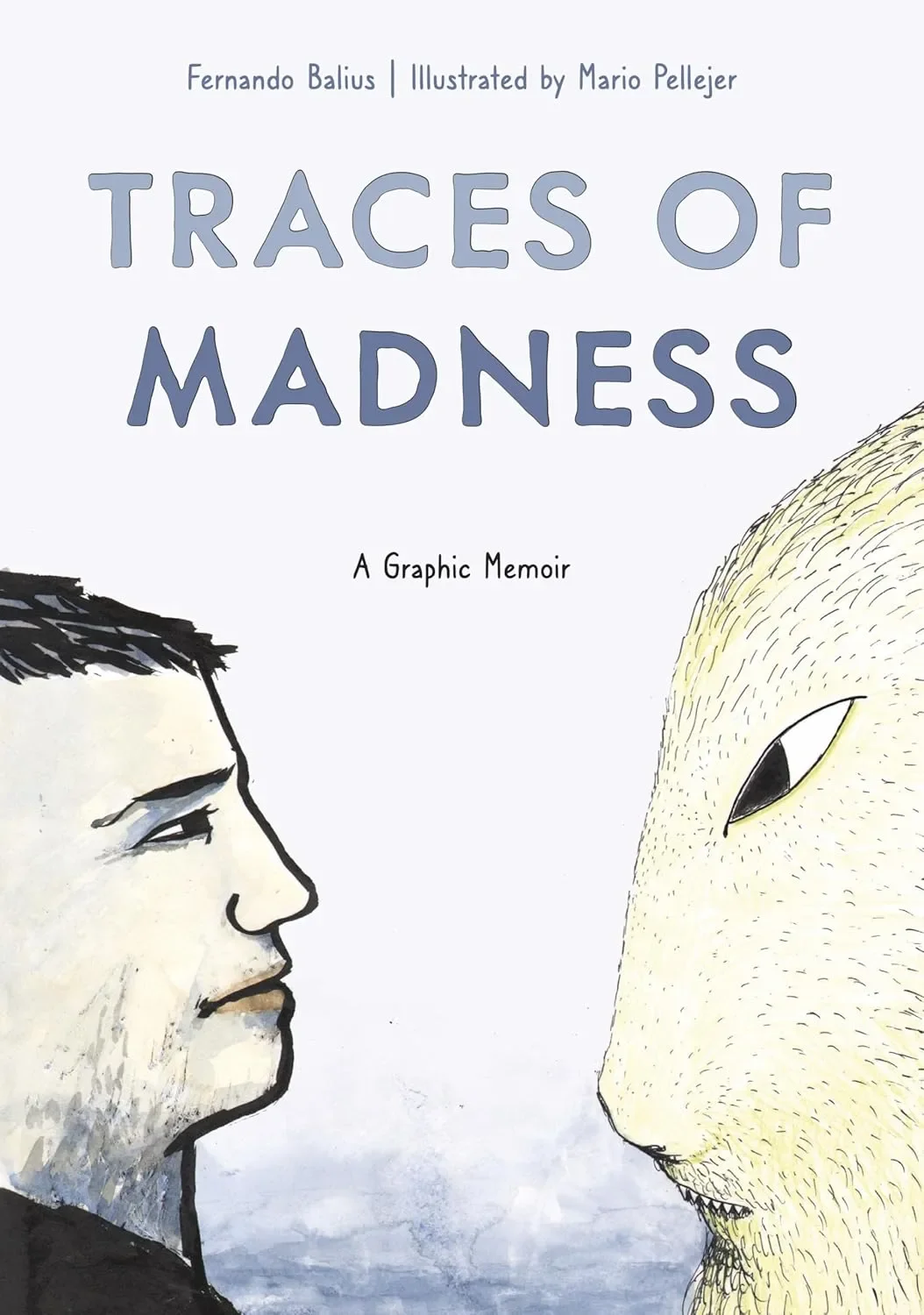
I want to share my story to understand what is happening to me.
Fernando Balius was a perfectly ordinary, if misunderstood, young adult―until he started hearing voices.
In Traces of Madness, Fernando describes what it feels like, both mentally and physically, to lose your grip on reality. His life spins out of control when the voices he hears inside his head, depicted in the narrative as a monster, work to destroy his self-esteem and, worse, urge him to hurt himself. Various psychiatric diagnoses and prescribed medications do more harm than good, prompting Fernando to question whether stifling his voices is truly the right path for him. Throughout his experiences, he finds that his connections with others lend him the strength to survive.
For people with psychosis, recovery is a winding path, not a straight line. And the best person to steer your recovery is you. Leading psychologist Aaron P. Brinen busts myths and helps you build the life you want in this empowering book. Dr. Brinen provides step-by-step guidance for becoming a strong self-advocate, navigating treatment options, managing symptoms that cause distress, and coping with stigma. Learn crucial ways to connect with others, pursue your goals at school or work, and keep your body healthy. The brief chapters are warm and compassionate, with downloadable practical tools designed to boost your energy and motivation for getting out into the world. This is a book you can read cover to cover--or dip into any time you need extra support to live well and feel good.
Relating to Voices helps people who hear voices to develop a more compassionate understanding and relationship with their voices.In this book, authors Charlie and Eleanor create a warm and caring tone for the reader and a respectful tone for their voices. With the help of regular ‘check-in boxes’, the book guides the reader towards an understanding of what voices are, what they may represent, and how we can learn to work with them in a way that leads to a more peaceful relationship. It offers a shift away from viewing voices as the enemies, towards viewing them as potential allies in emotional problem-solving. This approach may be different to some others that readers have come across, which can often be about challenging voices, suppressing them, distracting from them, or getting rid of them. The Compassion Focused Therapy (CFT) approach suggests that we can learn to relate to both voices and ourselves in a way that is less about conflict and more about cooperation.This book will be a useful companion for voice-hearers as well as for their supporters and allies in their journey of self-help. It will also be of use to mental health and social service workers.
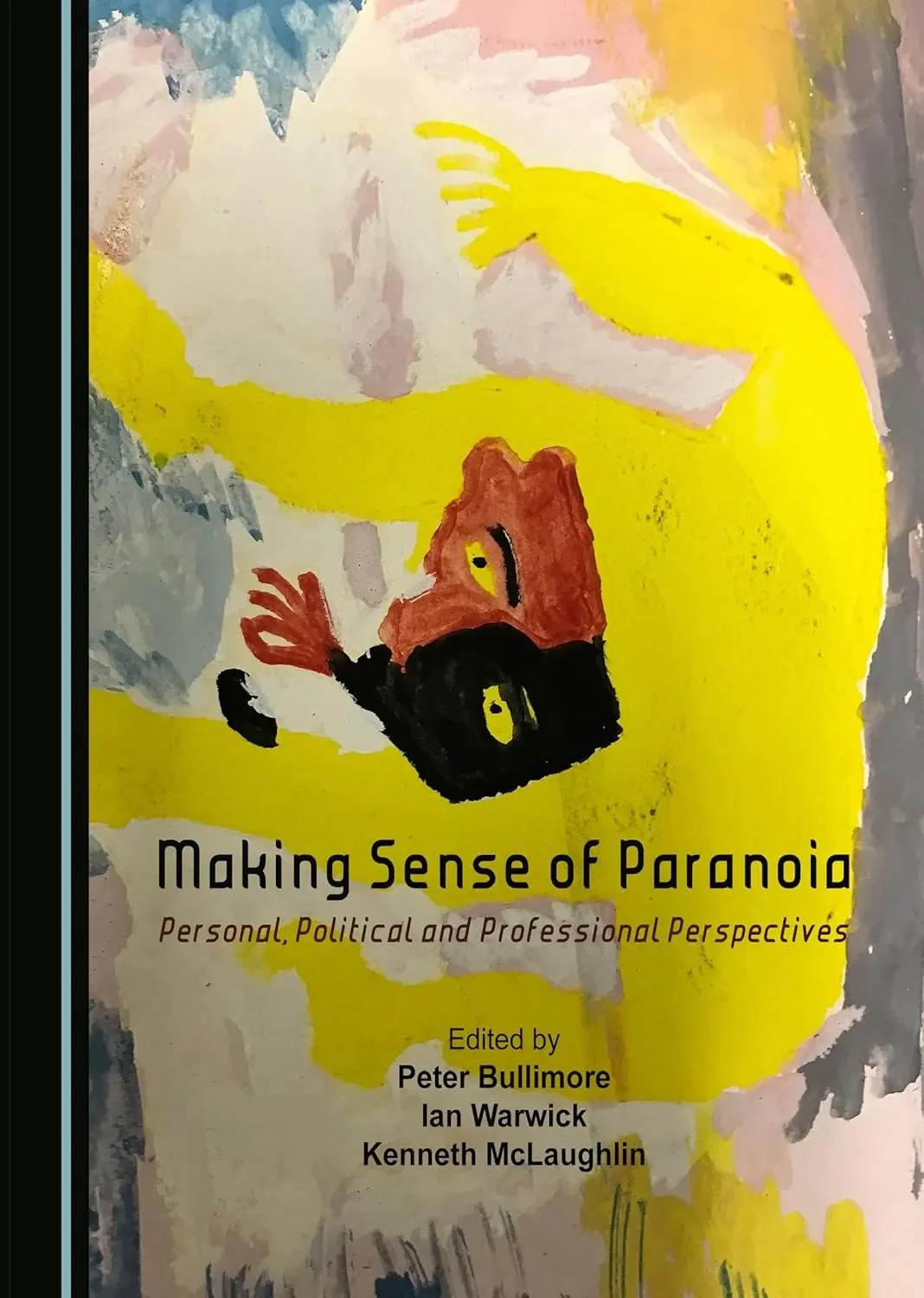
Making Sense of Paranoia provides a refreshing and challenging contribution to debates over mental health. Mainstream psychiatric texts tend to foreground medical explanations for mental distress, with the direct experiences and personal narratives of the sufferers themselves then used as evidence to substantiate pre-existing concepts. This book takes a radically different approach. Here, the personal narratives of sufferers are prioritised and then the prevailing theoretical frameworks are examined to see if they fit with the sufferers’ lifeworld, rather than the other way round.
Powerful, affecting essays on mental illness, winner of the Graywolf Press Nonfiction Prize and a Whiting Award
An intimate, moving book written with the immediacy and directness of one who still struggles with the effects of mental and chronic illness, The Collected Schizophrenias cuts right to the core. Schizophrenia is not a single unifying diagnosis, and Esmé Weijun Wang writes not just to her fellow members of the “collected schizophrenias” but to those who wish to understand it as well. Opening with the journey toward her diagnosis of schizoaffective disorder, Wang discusses the medical community’s own disagreement about labels and procedures for diagnosing those with mental illness, and then follows an arc that examines the manifestations of schizophrenia in her life.